Mapesbury School
BrentCurriculum & Approach
Mapesbury School provides a specialist, nurturing environment for autistic children and young people aged 7 – 16. Based in Cricklewood, we offer an individualised approach that supports learning, wellbeing and preparation for life beyond school.
What we offer
- Calm, structured classrooms using evidence‑based autism approaches, including TEACCH, SCERTS and visual supports.
- Small class sizes, enabling flexible, responsive teaching tailored to each pupil’s needs and EHCP outcomes.
- Integrated therapy, with Speech and Language and Occupational Therapists working alongside teaching staff throughout the day.
- A broad, meaningful curriculum, including:
- core subjects
- communication and emotional literacy
- creative arts and digital skills
- physical activity and outdoor learning
- Appropriate accreditation, from Unit Awards to GCSEs.
- Life skills and independence, developed through cooking, travel training, enterprise projects and real‑world experiences.
- Work‑related learning and personalised transitions, building confidence for the next stage of education or training.
Our approach
We create predictable, supportive learning environments rooted in consistency and compassion. Therapeutic strategies are woven into lessons and routines to help pupils regulate, interact and develop functional independence.
A place to belong
More than a school, Mapesbury is a community where young people build self‑esteem, resilience and ambition. As part of the Kedleston Group, we are committed to inclusive, person‑centred education that helps every pupil thrive - in school and in life.
Core and creative learning
We place strong emphasis on high-quality literacy, numeracy and communication development across all subjects. Learning is enriched through performing arts, media, physical education, design, cooking and outdoor education, enabling pupils to engage deeply and joyfully across a range of disciplines.
Differentiation and flexibility
Our curriculum is adapted to match each pupil’s cognitive, sensory and emotional profile. Teaching is flexible and responsive, combining on and off-site learning.
Social, life and enrichment learning
Dedicated time is built in for social skills, well-being and life skills through ‘Feel Good Friday’ sessions, extracurricular enrichment and school trips. These experiences broaden horizons and nurture curiosity, self‑confidence and community awareness.
Destinations and qualifications
In Key Stage 4, pupils work toward nationally recognised qualifications - Unit Awards, Entry Levels, Functional Skills or GCSEs - alongside developing independence and employability skills. Our curriculum is explicitly designed to prepare learners for future education, training or employment with clear progression pathways and positive outcomes.
Our principles
Underpinning everything we do, we uphold values of Creativity, Empathy, Collaboration, Resilience and Independence, delivering high standards of teaching and care in a safe, sensory‑aware environment where each pupil’s journey is planned in close partnership with families, professionals and the wider community.
National Curriculum, subjects and qualifications
Pupils follow a broad and balanced curriculum based on the National Curriculum. Learning is adapted to meet the needs of autistic learners, ensuring that every pupil can access each subject in a structured, supportive and engaging way.
Subjects taught
Pupils study a wide range of subjects, including:
- English
- Maths
- Science
- Computing
- Humanities
- Art and Design
- Food Technology
- Physical Education
- Life Skills
- PSHE
- Careers Education
Qualifications and accreditation
Pupils work towards a range of meaningful and appropriate accreditation options, which may include:
- Functional Skills in English, Maths and ICT
- Entry Level Certificates
- ASDAN programmes
- Vocational qualifications where suitable
- Personal and social development awards
Flexible Learning Programme (FLP)
Our flexible learning programme allows students to access a tailored timetable that suits their personal learning pace, emotional regulation needs, and therapeutic goals.
This may include a blend of classroom-based learning, community-based experiences, work placements, and one-to-one support. We prioritise small group settings and a consistent, low-arousal environment to ensure each student can access education in a way that feels safe and empowering.
By offering a variety of accredited outcomes and supported transitions, we prepare students for the next stage of their journey - whether that’s further education, employment, or independent living.
Outdoor and physical education
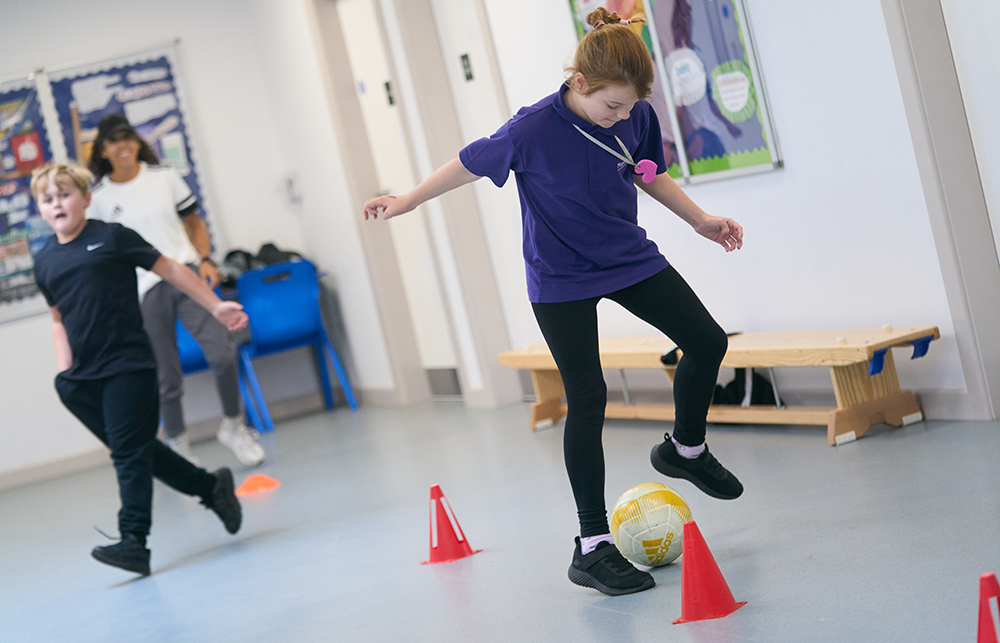
Outdoor learning is a key part of our approach, giving students space to explore, move, and learn in calming, sensory‑rich environments. Time outdoors supports engagement, curiosity, and emotional regulation, especially for autistic children.
Our outdoor and Physical Education offer include:
- Sensory‑rich outdoor learning that supports curiosity and regulation
- Adapted physical education focused on coordination, motor skills, and confidence
- Inclusive team games and sports that build social interaction and communication
- Structured, supportive sessions that help children feel safe and successful
- A forthcoming Forest School programme offering hands‑on, nature‑based learning to build resilience, problem‑solving, and independence
Life skills
Life skills education is a core part of our curriculum, designed to equip students with the practical tools they need for everyday independence.
These skills are embedded into the school day and taught explicitly as a stand-alone subject and through subjects like Food Technology, where students learn to plan and prepare simple meals, understand nutrition, and safely use kitchen equipment.
Other life skills include personal hygiene routines, daily household chores, time management, using public transport, and managing money. Learning is broken down into manageable steps and reinforced through repetition, real-life practice, and visual supports.
By teaching these essential skills in a structured and consistent way, we empower our students to navigate daily life with greater confidence and autonomy, both at school and in the wider community.
Community engagement
We place strong emphasis on community engagement as a way to help students generalise skills, develop social understanding, and build confidence in real-world environments.
Regular community visits are planned as part of our curriculum and include activities such as shopping, using local amenities, and taking advantage of our central London location by visiting places of interest like museums, historical sites, and parks. These outings are tailored to individual needs and supported by staff to ensure students feel safe and successful.
By taking learning beyond the classroom, we help students gain valuable experience in social interaction, communication, and navigating public spaces. These community links also foster a sense of belonging and promote positive relationships with the wider world, preparing students for more independent lives in the future.
Enrichment and wider opportunitites
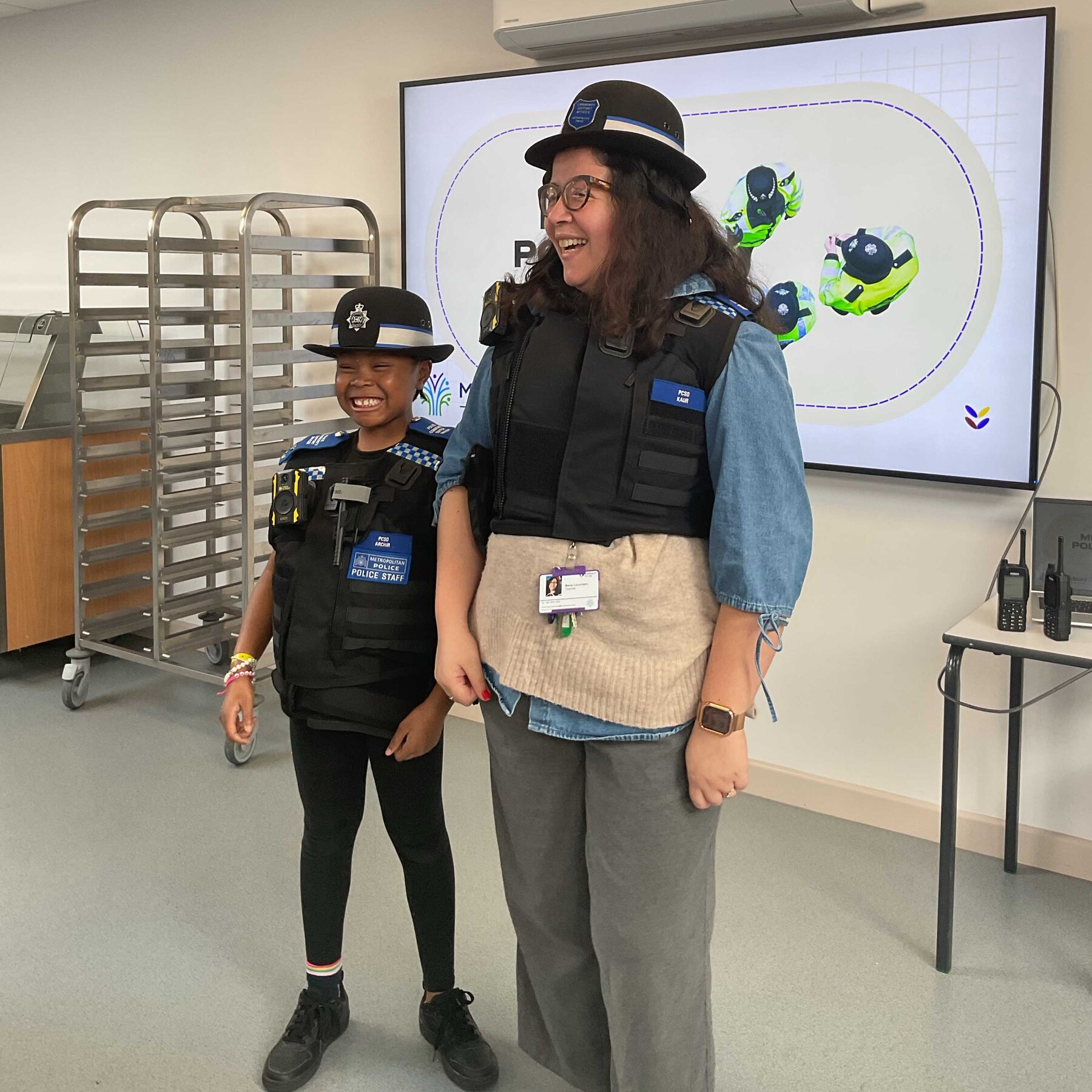
Enrichment activities form an essential part of our wider curriculum, offering students opportunities to discover new interests, build self-esteem, and experience success beyond academic learning.
We provide a broad range of extracurricular and enrichment experiences, including themed activity days known as MILE (Mapesbury Immersive Learning Experience) Days, creative arts workshops, visiting professionals, and special events that reflect cultural and seasonal celebrations.
These opportunities are carefully planned to be accessible and enjoyable for all learners, taking into account sensory preferences and individual needs. Through these activities, students are encouraged to try new things, express themselves, and develop their personal interests.
We aim to provide a well-rounded education that nurtures the whole child, fostering not only academic progress but also personal growth, creativity, and a lifelong love of learning.
Vocational skills
Our vocational skills programme supports students to prepare for life beyond school by developing practical abilities, confidence, and workplace awareness.
Through hands-on experiences in areas such as catering, horticulture, retail, and administration, students explore different roles and learn what is expected in a working environment. Key employability skills, including following instructions, timekeeping, teamwork, and problem-solving, are built into every activity. Students can also work towards recognised vocational qualifications and take part in enterprise projects or supported work placements.
Our aim is for every learner to leave with the skills and self-belief they need to progress into further education, training, or supported employment.