Brookways School
SuttonCurriculum & Approach
At Brookways School, we recognise the individual strengths and challenges of every pupil. Our curriculum is carefully tailored to support personal growth, academic achievement and emotional wellbeing.
Brookways is a safe, positive and welcoming place where respect, kindness and hard work are modelled every day. Staff and pupils enjoy coming to school, form strong relationships, and work together to create a culture where everyone feels valued.
We prepare children for their futures by developing the knowledge, skills and confidence they need to become independent adults who can lead fulfilling lives and contribute positively to society.
Our school motto
Learning to be happy
Happy to be learning
Our curriculum vision
To empower every pupil to achieve their full potential by fostering a lifelong love of learning, developing essential life skills, and enabling them to thrive as confident, independent and valued members of society.
Our curriculum values
At Brookways School, we believe that:
- The curriculum should be tailored to meet the individual needs, interests and aspirations of each pupil
- Every pupil deserves to feel valued, respected and supported in a nurturing learning environment
- Therapeutic approaches should be integrated into learning to support emotional wellbeing and social development
- Pupils should be supported to develop independence, resilience and self‑advocacy skills
- High expectations help pupils to believe in themselves and strive for success
Our curriculum offer
Our curriculum at Brookways School:
- Provides a broad and balanced education that supports the holistic development of each pupil
- Takes account of individual backgrounds, complex needs and starting points
- Develops knowledge, skills and understanding across a wide range of subjects, adapted to different learning styles
- Supports pupils to re‑engage with education, rebuild confidence and form positive relationships
- Promotes independence, resilience and self‑advocacy
- Develops social and emotional skills, helping pupils to manage emotions and engage positively in school life
- Prepares pupils for the next stage of education, training or employment, and for adult life
- Provides opportunities for pupils to develop their interests, talents and strengths
- Ensures all pupils have access to high‑quality teaching and learning experiences
- Promotes positive behaviour and attitudes to learning
Curriculum structure and content
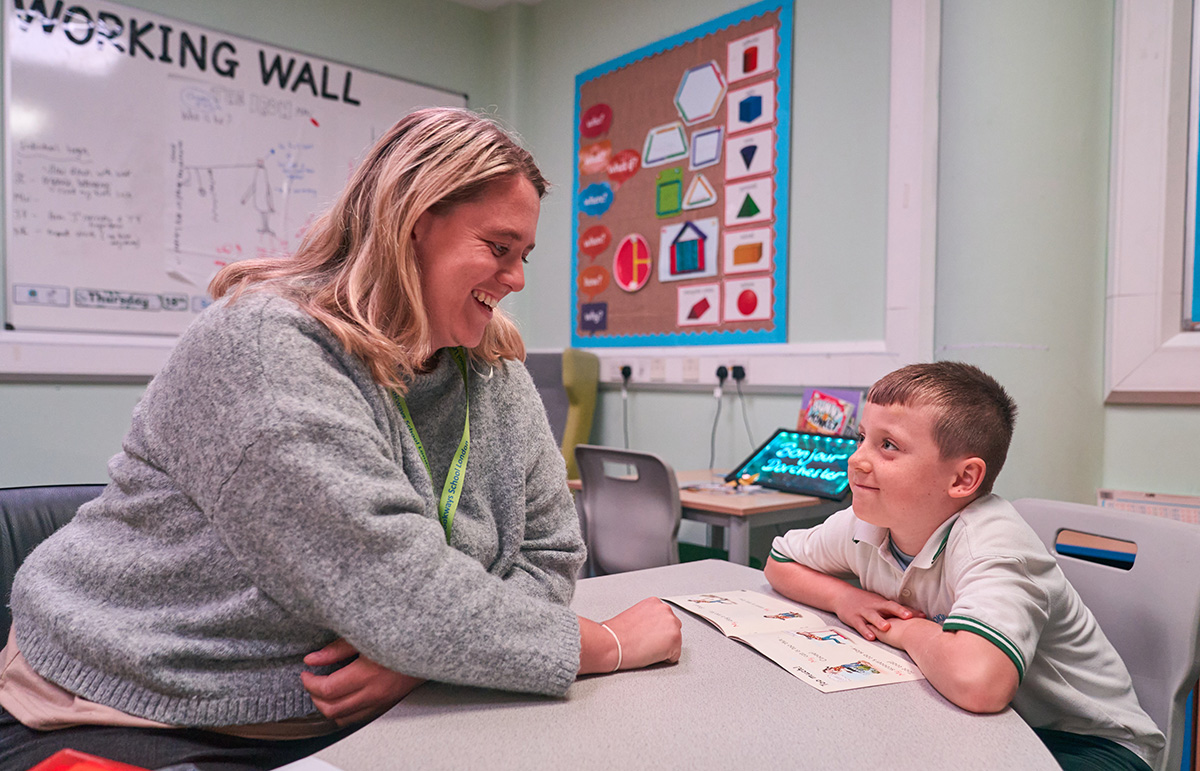
Brookways School uses the National Curriculum as a guiding framework to ensure learning is broad, balanced and coherently sequenced. Our curriculum is designed to provide a clear and progressive learning journey for all pupils.
Core Subjects
- English
- Mathematics
- Science
Foundation Subjects
- Humanities
- Art
- Music
- Design Technology
- Computing
- Physical Education
- Religious Education
- PSHE
- Forest School
- Life Skills
- Home Cooking Skills
Vocational Opportunities and Key Stage 4
At Key Stage 4, pupils continue to study core subjects alongside a range of vocational and accredited pathways. These include:
- Computer Science
- Creative iMedia
- Land‑Based Studies
- Animal Care
- Home Cooking
- Art
- PE
- Childcare
- Health and Social Care
- Unit Award modules
- ASDAN
- The King’s Trust
Pupils also take part in internal work experience, including roles within the school kitchen, primary provision, site maintenance and caretaking. Where available, we support pupils to access external work placements to develop real‑world skills and confidence.
Outdoor and physical education
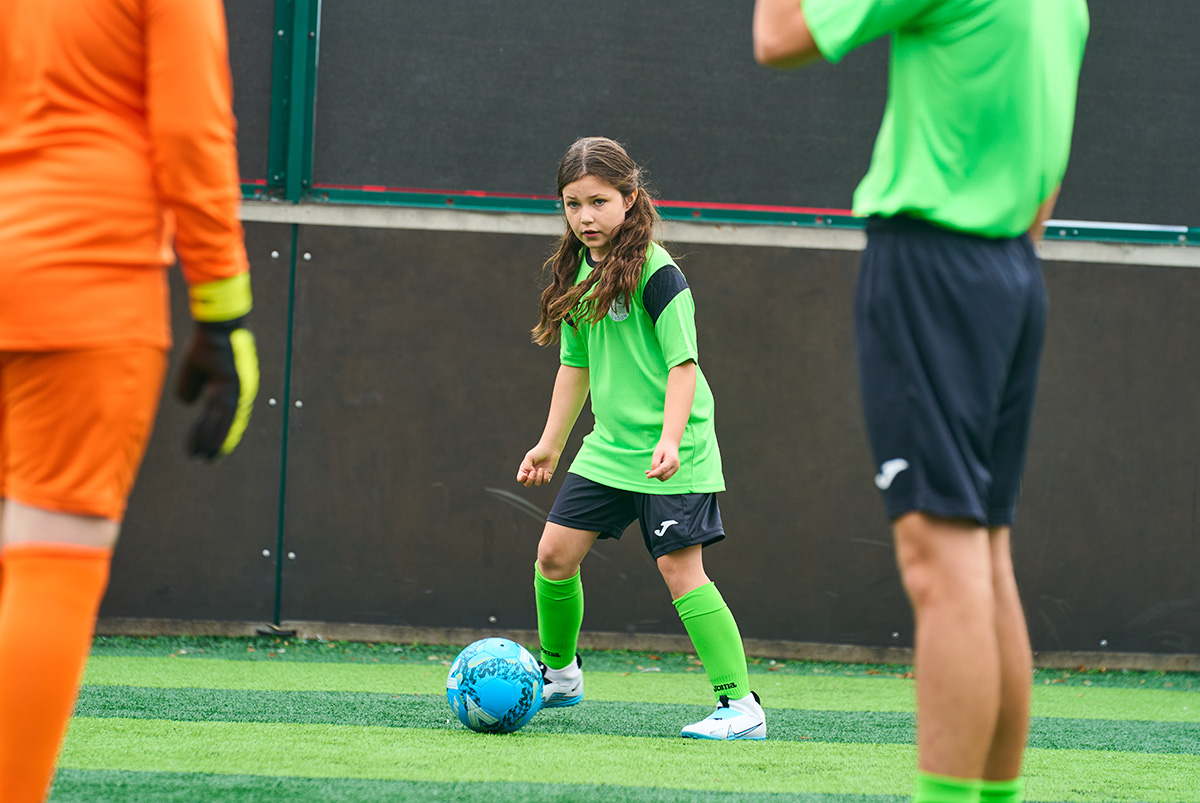
At Brookways School, Outdoor and Physical Education is a vital, enriching part of our curriculum. We recognise that physical activity is not only essential for health and fitness—it also plays a central role in supporting emotional well‑being, building confidence, strengthening social skills, and helping pupils discover what they enjoy and excel in.
Our approach is inclusive, aspirational and varied, ensuring PE for all ages and abilities. Every pupil is encouraged to participate, try new activities and celebrate personal progress. Alongside this, those who enjoy healthy competition have opportunities to challenge themselves through sports days, fixtures and team events across the year.
Why Physical Education matters
Outdoor learning and PE are carefully designed to:
- Support mental well‑being through movement, fresh air and positive shared experiences.
- Develop resilience and self‑belief, encouraging pupils to take on challenges in safe, structured environments.
- Promote teamwork and communication, helping pupils build relationships and learn to collaborate effectively.
- Provide enrichment opportunities that broaden horizons, spark new interests and build life skills beyond the classroom.
A rich and varied PE and outdoor learning offer
Our pupils benefit from an extensive programme that blends physical activity with outdoor exploration:
- Competitive Sports Days
Fun, inclusive events where pupils can compete, collaborate and celebrate achievement. - Sports Fixtures
Friendly and competitive fixtures that help build confidence, sportsmanship and team spirit. - Swimming
A key life skill delivered through structured lessons tailored to different ability levels. - Lake-Based Activities
Outdoor adventure opportunities that promote confidence, resilience and a sense of achievement. - Forest School (Onsite and Offsite)
Child-led exploration and nature-based learning that nurtures curiosity, independence and problem-solving. - Duke of Edinburgh’s Award (DoE)
A nationally recognised programme building character, leadership and outdoor skills. - Comprehensive Off-Site Educational Visits Programme
Wide-ranging trips that complement classroom learning, develop cultural capital and extend physical and social experiences.
Life Skills
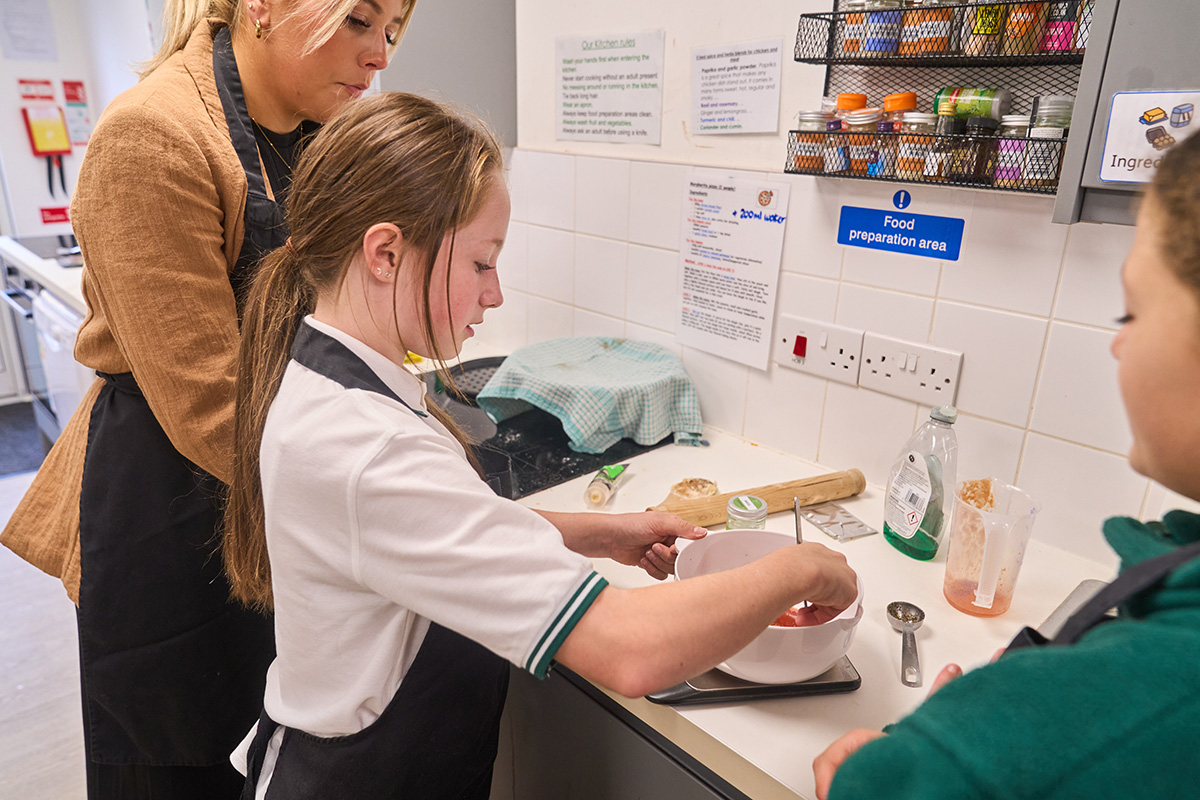
A thorough schematic programme of personal, social and emotional developmental skills
School runs fortnightly Assemblies incorporating topical themes chosen through the schematic curriculum
Students do shout outs for excellent work or acts of goodwill kindness through assemblies for each other and staff/visitors
Student council contribute to the school policy, with particular reference to resourcing and rewards
Enrichment and wider opportunitites
School play
Sports fixtures
Breakfast and lunch clubs
Nail club
Lego club
Dungeons and dragons (including regular visits to Chislehurst Caves)
Indoor climbing (with accreditation)
Beach trips
Theme Park trips
Gaming venues
Cinema
Pottery
Careers education information advice and guidance (CEIAG)
Careers education, information, advice & guidance (CEIAG) at Brookways is delivered through tutorial, assembly & PSHE, Life Skills and targeted careers and pathways sessions facilitated and supported by specialist staff and underpinned by students’ vocational subject choices. Students also have access to an online careers platform, Morrisby.
It is a government strategy to provide quality career guidance to all young people. The Careers Strategy sets out that every secondary school uses the Gatsby Benchmarks. The Gatsby 8 Benchmarks are an evidence-based framework that defines first-class careers guidance for young people) to develop and improve career provision:
- A stable careers programme
- Learning from career and labour market information
- Addressing the needs of each pupil
- Linking curriculum learning to careers
- Encounters with employers and employees
- Experiences of workplaces
- Encounters with further and higher education
- Personal guidance
Brookways is committed to providing an engaging programme of careers education throughout KS3 to KS4 Key Stages. During Key Stage 4, all students have independent careers information and guidance through 121 bespoke sessions. The aim is to identify the most appropriate post-16 pathway for our students to attain their future goals.
In England, all young people are expected to remain in some form of education or training until they turn 18. After finishing Year 11, students have several options to choose from. These include:
Continuing full-time education at a school, college, or with a training provided
Taking up full-time employment or volunteering, providing it includes part-time study or training
Starting an apprenticeship
For more details about the pathways available after Year 11, visit:https://www.talkingfutures.org.uk/pathways-at-16/
For more details about work experience opportunities available, visit:
getcareerconfident.co.uk/work-experience/virtual-workexperience