

Leaways School
HackneyTherapy
At Leaways School, our therapeutic offer is central to how we support every pupil to thrive. We recognise that learning is most powerful when emotional safety, mental well-being and relationships are given as much priority as academic progress. Our approach is built upon a trauma-informed ethos: recognising past experiences, building resilience and equipping pupils with the tools they need to succeed both in and beyond school.
We provide a blend of one-to-one, small-group and whole-school therapeutic support, embedded within the school day rather than delivered in isolation. Specialist practitioners work alongside teachers to ensure that emotional regulation,
Therapeutic mentoring

Therapeutic Mentoring at Leaways School provides consistent, relationship-based support to help pupils develop emotional stability, self-belief and resilience. It bridges the gap between therapy and daily experience, allowing pupils to practise coping strategies, communication and reflection within real-life contexts.
Delivered through 1:1 and small-group sessions, mentors work alongside pupils throughout the school day—supporting learning, modelling behaviour and reinforcing therapeutic goals. Each mentor builds a trusted relationship with their pupils, using trauma-informed and attachment-aware approaches to provide a secure base from which they can explore challenges and successes.
Sessions are flexible and responsive: mentors may use conversation, shared activities, creative tasks or community experiences to promote self-awareness and confidence. They focus on identifying triggers, building problem-solving skills and strengthening positive decision-making. Over time, pupils learn to recognise their emotions, communicate their needs and manage behaviour more independently.
Therapeutic Mentoring also connects with classroom practice. Mentors collaborate closely with teachers, therapists and families to ensure consistent support across settings, helping pupils apply emotional regulation strategies to learning and social situations.
This approach supports not only emotional growth but also academic engagement, attendance and relationships. Pupils gain a stronger sense of control, trust and purpose, developing the resilience needed for future education, employment and independent life.
Therapeutic Mentoring embodies Leaways School’s belief that progress begins with connection—where caring, consistent relationships empower every pupil to thrive.
Counselling
Counselling at Leaways School provides pupils with a safe, confidential and supportive space to explore thoughts, feelings and life experiences. Many of our pupils have faced significant emotional challenges or periods of instability, and counselling offers a structured opportunity to reflect, process and rebuild.
Delivered by qualified practitioners, counselling sessions are tailored to each pupil’s needs and can take place on a short- or long-term basis. The focus is on helping pupils to understand themselves better, develop positive coping strategies and build resilience. Through talking, reflection and guided techniques, pupils learn to manage difficult emotions such as anxiety, anger, sadness or low self-esteem within a trusting, non-judgemental relationship.
Counsellors work closely with teaching staff, pastoral teams and families (where appropriate) to ensure that therapeutic progress aligns with wider support plans. This joined-up approach enables consistent care and reinforces emotional growth across all aspects of school life.
Counselling helps pupils develop greater self-awareness and confidence in expressing their needs. They begin to notice patterns in their thinking and behaviour, understand how experiences shape emotions, and practise strategies for change. As pupils gain these insights, they are better able to focus on learning, relationships and personal goals.
The impact of counselling extends beyond the therapy room—it builds the foundations for improved engagement, emotional regulation and wellbeing. At Leaways School, we view counselling as an essential part of nurturing the whole child, enabling every pupil to move forward with confidence, balance and hope.
Draw & talk
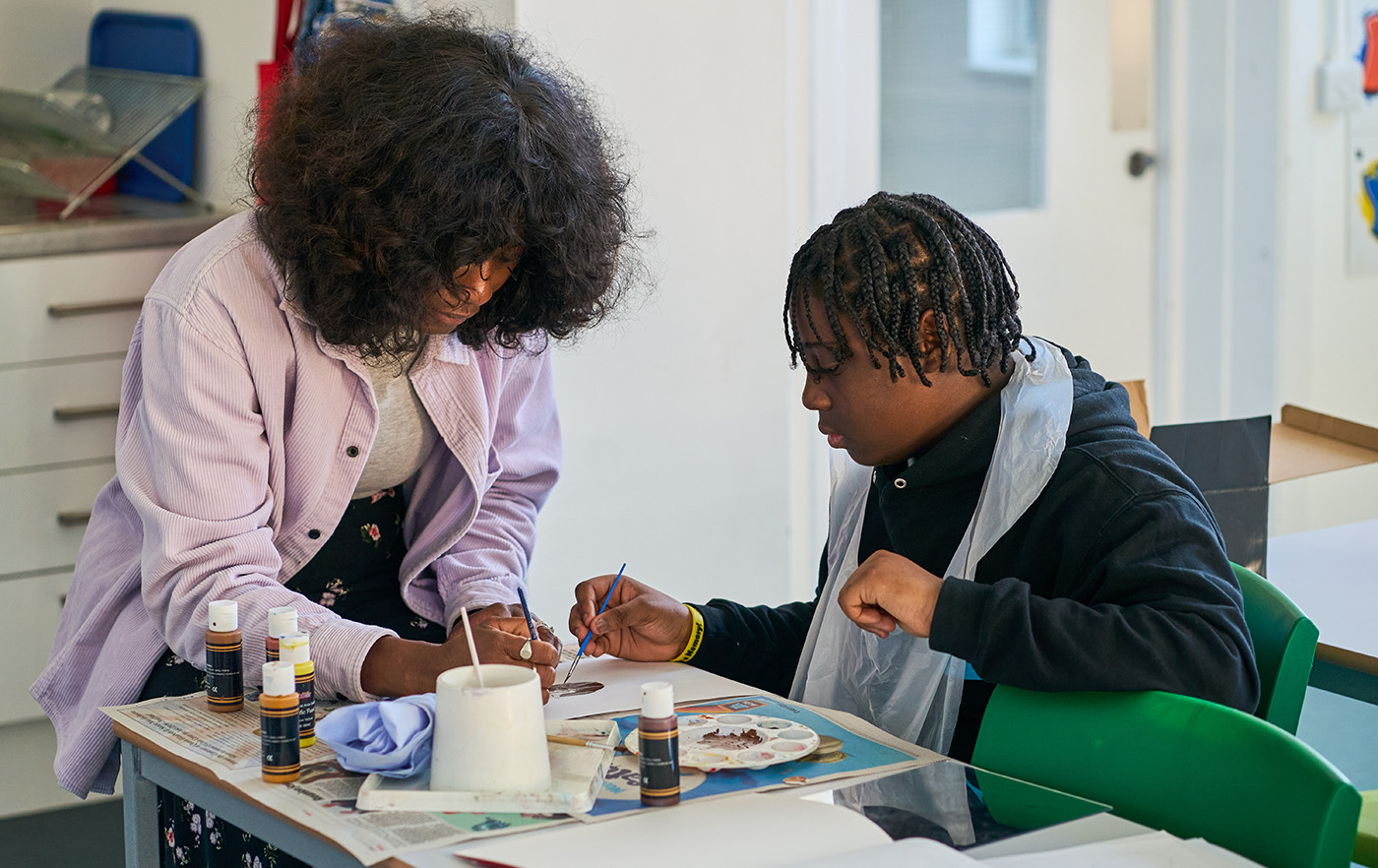
Draw & Talk is a gentle, child-centred therapeutic approach at Leaways School that enables pupils to express feelings and experiences they may not yet have words for. Many of our pupils have lived through anxiety, loss or trauma, and this creative intervention provides a safe and non-intrusive way to explore those emotions through drawing.
Sessions take place one-to-one with a trained practitioner in a calm, supportive environment. Pupils are invited to draw freely, with no expectations or interpretation from the adult. The process allows emotions to be communicated symbolically, helping pupils to externalise worries and gain a sense of control. Over time, this supports self-understanding, confidence and emotional regulation.
The strength of Draw & Talk lies in its simplicity. It gives pupils the space to slow down, reflect and connect with their inner thoughts through art. Practitioners use gentle conversation and observation to help pupils recognise links between their drawings and feelings, always following the child’s lead.
Draw & Talk complements other therapeutic work across the school, supporting transitions into counselling, mentoring or classroom engagement. It helps reduce anxiety, improve focus and strengthen relationships with trusted adults.
By encouraging creativity and emotional expression, Draw & Talk builds the foundation for healing, communication and resilience. At Leaways School, this intervention reminds us that not every feeling needs a word to be understood — and that art can be a powerful pathway to wellbeing and growth.
Walk & talk
Walk & Talk at Leaways School combines gentle physical activity with therapeutic conversation, offering pupils a calm and natural space to express themselves freely. For many young people with social, emotional or mental health needs, traditional face-to-face dialogue can feel intimidating. Walk & Talk removes that pressure by creating movement, rhythm and a sense of ease that encourages openness.
Sessions are delivered one-to-one by trained practitioners who use outdoor or quiet on-site spaces to promote relaxation and engagement. Walking side-by-side rather than across a table helps pupils to regulate emotions, reduce anxiety and process thoughts more naturally. The pace and direction of each session are guided by the pupil’s comfort and readiness to talk.
Practitioners integrate therapeutic listening, mindfulness and grounding techniques to support reflection and problem-solving. Pupils may use the time to talk through worries, identify triggers or explore goals, often discovering that movement helps them to think more clearly and express themselves with confidence.
Walk & Talk also connects with our wider school ethos of promoting wellbeing through physical activity and outdoor learning. The approach complements counselling and mentoring by providing a more informal, yet highly effective, route to self-awareness and emotional regulation.
Through consistent participation, pupils build trust, communication skills and resilience. They learn that movement can be a healthy coping mechanism and that their voice matters. Walk & Talk captures the spirit of Leaways School — nurturing emotional growth through connection, empathy and gentle encouragement.
Sense & connect
Sense & Connect at Leaways School is a nurturing therapeutic intervention that uses sensory experiences — such as touch, sound, movement and texture — to help pupils develop emotional awareness, communication and regulation. Many of our pupils experience difficulties with sensory processing or self-expression, and this approach gently bridges the gap between physical sensation and emotional understanding.
Sessions are delivered one-to-one or in small groups by trained practitioners in a calm, structured environment. Using multisensory activities such as tactile play, rhythmic movement, sound exploration or sensory storytelling, pupils are supported to connect feelings with physical experience. This helps them to communicate needs, manage anxiety and engage more confidently with learning.
The sessions are highly individualised, responding to each pupil’s sensory profile and emotional state. Practitioners use predictable routines and clear boundaries to create a sense of safety and trust. Over time, pupils learn to identify sensations linked to comfort or stress, developing strategies to self-regulate and calm their bodies.
Sense & Connect also strengthens social interaction and confidence. Pupils begin to tolerate shared spaces, explore new textures, and take pride in creative expression. Teachers and therapists collaborate closely to transfer these skills into classroom routines, supporting focus, participation and readiness to learn.
This intervention embodies the Leaways ethos of meeting every pupil where they are. By connecting sensory and emotional worlds, Sense & Connect fosters self-awareness, confidence and independence — helping each child to build the foundations for lasting wellbeing and engagement.
Sensory circuits
Sensory Circuits at Leaways School are structured sequences of physical activities designed to help pupils regulate their sensory systems and prepare for learning. Many of our pupils benefit from movement and sensory input to support focus, attention and emotional balance. Sensory Circuits provide this in a predictable, engaging and therapeutic way.
Sessions follow a three-phase model: alerting, organising and calming. Pupils move through carefully selected activities that stimulate, structure and then soothe the body’s sensory systems. These may include balance boards, climbing, deep pressure tasks, stretches or rhythmic movements. Each activity is chosen to meet individual sensory needs and to support regulation before returning to the classroom.
Delivered by trained staff, Sensory Circuits usually take place at the start of the school day or after lunch, helping pupils settle, refocus and re-engage with learning. The routine provides consistency and predictability, reducing anxiety and increasing readiness to learn. Staff monitor responses closely and adapt sessions to ensure they remain supportive, purposeful and safe.
Over time, pupils develop self-awareness and strategies for self-regulation. They learn how movement affects mood and concentration, and how to make choices that help them stay calm and focused. The benefits extend beyond the session: improved attention, reduced behavioural incidents and greater emotional stability throughout the day.
Sensory Circuits are an integral part of Leaways School’s therapeutic environment — simple yet powerful routines that nurture both body and mind, preparing every pupil to learn, participate and succeed.
Life skills tailored interventions
Life Skills Tailored Interventions at Leaways School are designed to equip pupils with the essential knowledge, confidence and independence they need to manage everyday life. These practical, hands-on sessions bridge the gap between learning and living, helping pupils develop the social, emotional and functional skills that prepare them for adulthood.
Delivered through a blend of 1:1, small-group and experiential learning, interventions focus on areas such as personal organisation, self-care, money management, travel training, cooking, communication and community participation. Each programme is personalised to reflect the pupil’s age, ability and aspirations, ensuring that progress feels meaningful and achievable.
Sessions are highly practical and contextualised. Pupils might plan and shop for ingredients, use public transport, practise budgeting or role-play real-life scenarios such as job interviews and appointments. Alongside these activities, staff embed reflection and problem-solving, helping pupils to think critically, make decisions and learn from experience.
Life Skills interventions also promote emotional literacy and social understanding. Pupils learn to recognise emotions, manage frustration and interact appropriately with others — skills essential for both employment and relationships. Collaboration between teachers, therapists and pastoral staff ensures these life lessons are reinforced across the curriculum.
Through Life Skills Tailored Interventions, pupils gain not only qualifications but confidence in their ability to live independently and responsibly. This holistic approach reflects Leaways School’s vision: to prepare every pupil not just for exams, but for life — resilient, capable and ready to contribute positively to their community.
Music intervention
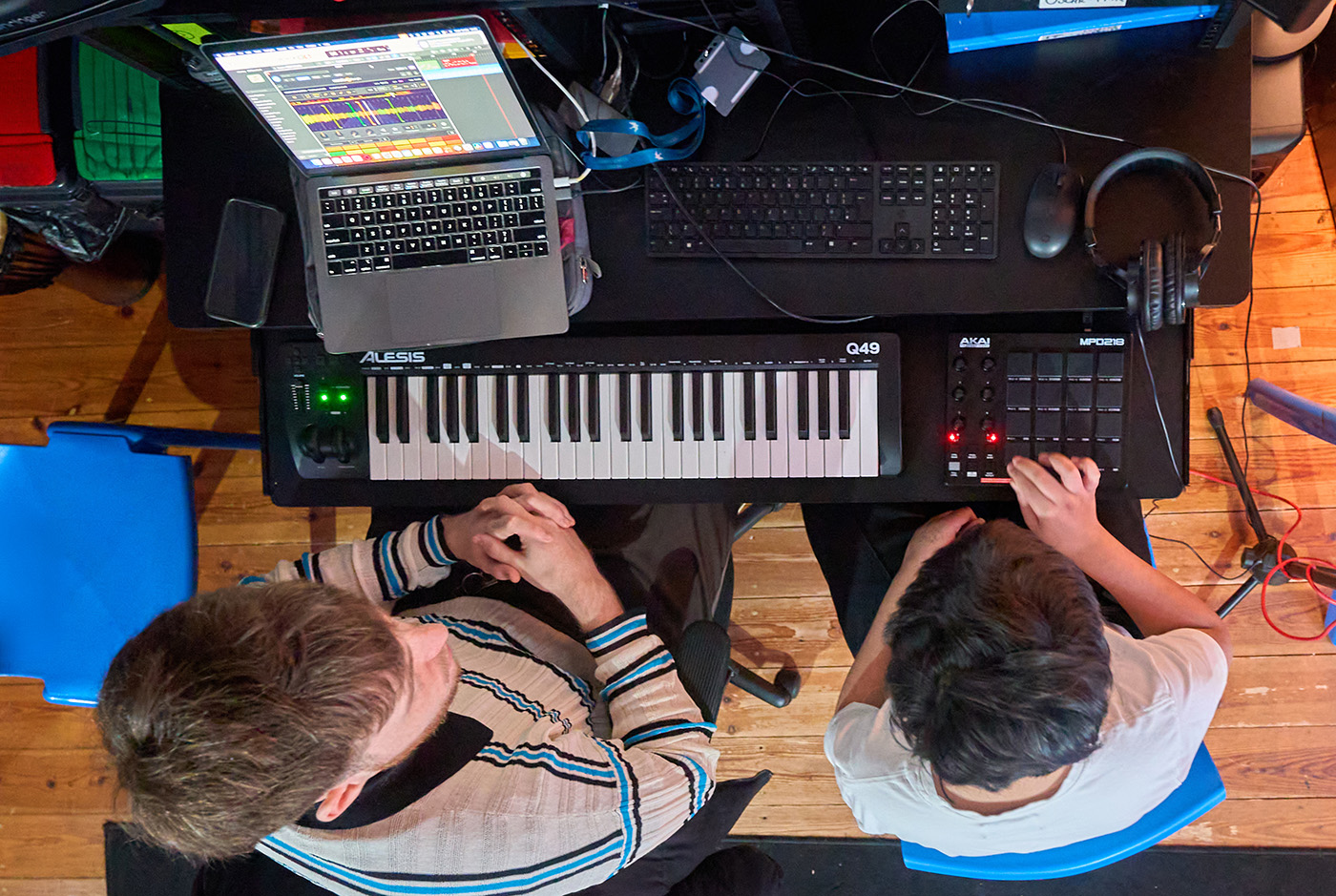
Music Intervention at Leaways School harnesses the power of creativity, rhythm and sound to support pupils’ emotional expression, confidence and communication. Many of our pupils connect deeply with music, finding it a safe and motivating way to process feelings and develop social awareness. Through structured yet flexible sessions, pupils use music as both therapy and learning.
Delivered by skilled practitioners, Music Intervention may include playing instruments, songwriting, digital music production, singing, rhythm work and sound exploration. Sessions are designed to meet therapeutic goals such as emotional regulation, self-expression, focus and resilience. Pupils are encouraged to explore tempo, melody and lyric writing as ways of expressing mood and identity.
The sessions often take place in a calm, creative environment where pupils can collaborate or work individually. Practitioners use a trauma-informed approach, responding sensitively to each pupil’s emotional state and communication style. Over time, pupils gain confidence in performance, teamwork and problem-solving skills that transfer into the classroom and social contexts.
Music Intervention also supports language development, concentration and sensory regulation. For some pupils, it becomes a bridge to formal learning or vocational study through our BTEC Music pathway. For others, it provides a therapeutic outlet where they can express themselves safely and freely.
At Leaways School, Music Intervention demonstrates that therapy and creativity are inseparable. Through rhythm, sound and collaboration, pupils discover new ways to communicate, regulate emotions and find joy — turning self-expression into confidence, and confidence into progress.


